In this story
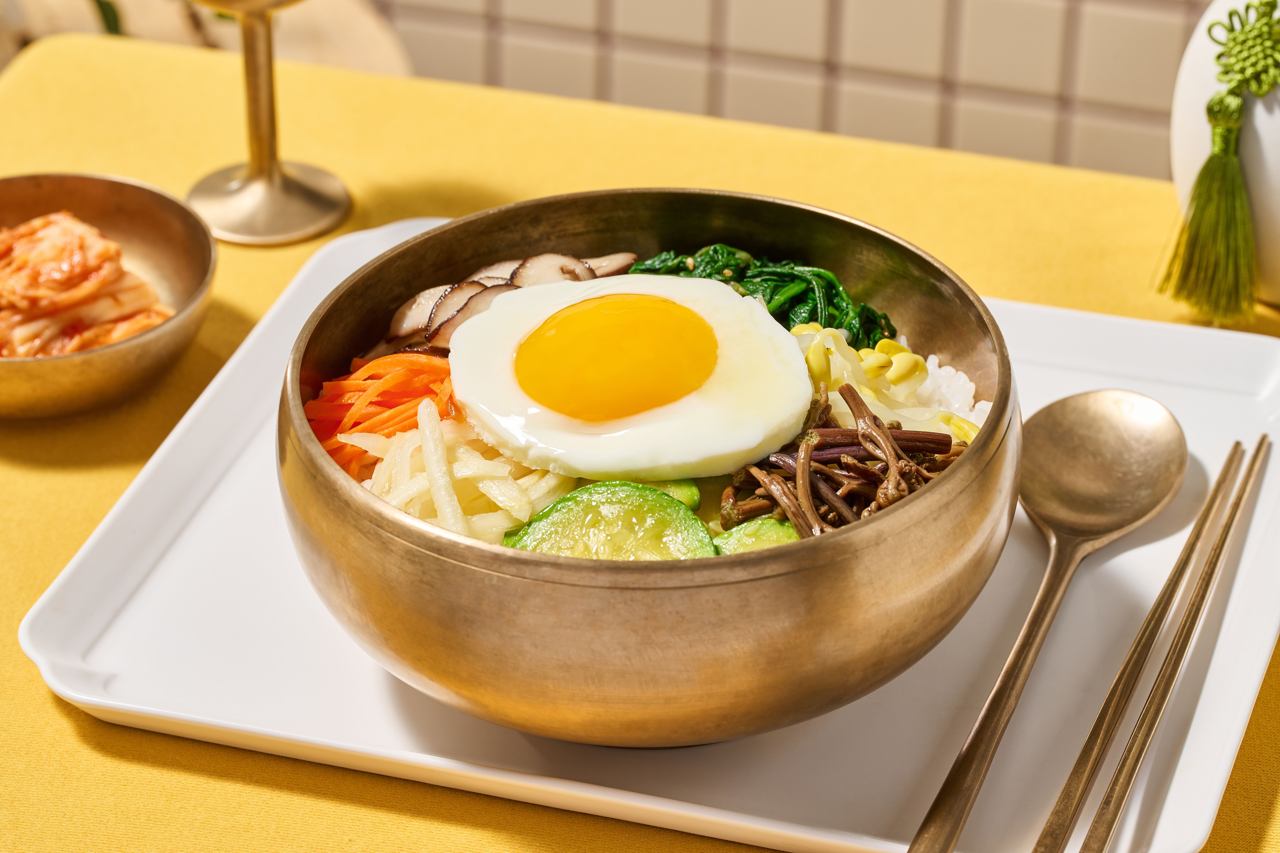
The colorful toppings invite you to mix immediately. Pause for a moment and notice the bowl, vegetables and sauce. Bibimbap becomes more interesting when you can see the meal’s structure. A regional name such as Jeonju and a bowl name such as dolsot also describe different aspects of the order.
Jeonju and dolsot describe different things
Jeonju bibimbap connects a dish with a place; dolsot describes a stone-bowl presentation. They are not two perfectly opposite categories. Read what each name tells you, then check the actual toppings, sauce and serving style. A shared regional label does not mean every restaurant serves an identical bowl.
Read the ingredients before mixing
Vegetables, meat and egg are common elements, not a fixed ingredient list. Check how the meat is prepared and whether alternatives are offered. A vegetable-heavy photograph does not establish that a dish is vegetarian. Include the sauce and seasonings in your questions before choosing the bowl.
Add the sauce gradually
If the sauce is separate, add a little before deciding how much more you want. You can mix a small part of the bowl first. When sauce is already included, ask about it before ordering. There is no prize for mixing as vigorously as possible; compare the texture of the toppings with the more evenly seasoned rice.
Notice the bowl as well as the toppings
A hot stone bowl can change the texture where rice meets the surface. Notice the contrast with the toppings above, without expecting every bowl to make the same crust or sound. Follow the restaurant’s instructions for the hot dish and use its mat and utensils rather than repositioning it for a photograph.
Connect the meal with Jeonju’s streets
In Jeonju, a meal can become one chapter of a day that includes the hanok neighborhood. Choose a restaurant by its menu, location and your route rather than a universal best-place ranking. Check the actual address and connection. The colors in the bowl and the streets afterward can belong to the same memory.
Questions before you go
Are Jeonju and dolsot bibimbap opposite categories?
Jeonju is a regional label; dolsot describes a stone bowl. Check the actual menu and presentation.
Does bibimbap contain only vegetables?
Meat, egg and seasoning vary by recipe. Ask about the actual ingredients.
Sources and photographs
An editorial story informed by official tourism and operator sources. Suggested routes and ways of looking are DAYGOVISIT recommendations, not a claim of a first-hand visit. Confirm current arrangements with the operator.
Editorial review: