In this story
Recreating a dish you tasted can keep a trip alive long after the meal. A Korean cooking class depends on what you do and what you learn, not only the name of the final dish. Choose the process as carefully as the photograph of the finished plate.
| Option | Best suited to | Check first |
|---|---|---|
| Cooking-focused | Hands-on practice matters | Hands-on time and recipe |
| Market-linked | Explore ingredients and neighborhood | Walking and cooking time |
| Cultural workshop | Interest in cultural context | Language and demonstration time |
1. Separate a favourite dish from a skill you want to learn
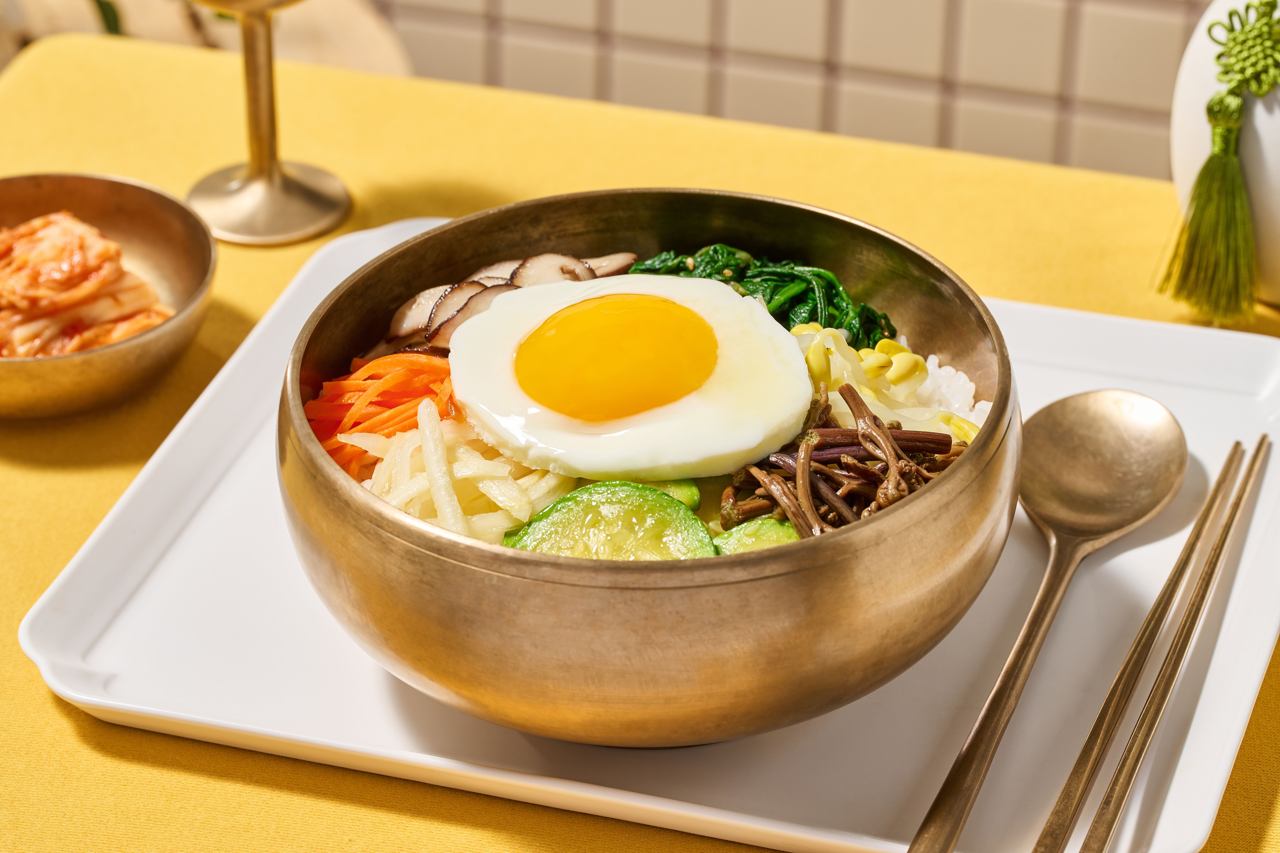
Assembling bibimbap, preparing kimchi and cooking several dishes involve different techniques. If you want to repeat the experience at home, ask about ingredient explanations, substitutions and a recipe. Check whether eating together is included and whether the meal and participation arrangements suit your group.
2. A market visit changes the balance of the session
Official tourism information includes classes linked to choosing ingredients in a local market. This can add context but changes the time available for cooking. Check walking distance, weather exposure and the meeting point. Distinguish shopping for the class from a guided market walk so your expectations match the experience.
3. Teaching language and hands-on involvement
A booking page’s language is not necessarily the teaching language. Ask whether instruction is direct or interpreted and whether you cook individually, in a group or mainly watch demonstrations. Activities using knives and heat need suitable age and supervision arrangements; confirm a child’s actual participation before booking.
4. Discuss ingredient requirements before the class
Vegetable-heavy dishes can still use meat or seafood in broth and seasoning. Explain the ingredients you need to avoid and ask what changes are actually possible. Do not assume a substitute menu until the operator confirms it. Understand whether different dishes are prepared in the same cooking environment.
5. Compare inclusions line by line
Compare ingredients, meal, drinks, recipe, souvenirs and equipment instead of headline price alone. Photography, if offered, also needs clear delivery arrangements. Group minimums, lateness and cancellation are separate terms. Follow the operator’s storage guidance for anything you take away after the class.
6. Build a half-day around one class
Add a light nearby walk or café before the class and stay in the same area afterwards. Allow enough time for the actual meeting point. Another food tour on the same day may be too much food and too little rest. Recording dish names and ingredients can make your next restaurant order more interesting.
Put it into your itinerary
- Before booking: choose the menu and teaching language.
- On the day: reach the meeting point early and reconfirm ingredients.
- Afterwards: walk nearby and save your recipe and photos.
Turn a memorable meal into something you can make yourself.
Discover a Korean cooking experience in a Bukchon hanok. Check the class menu, teaching language and possible ingredient adjustments before booking.
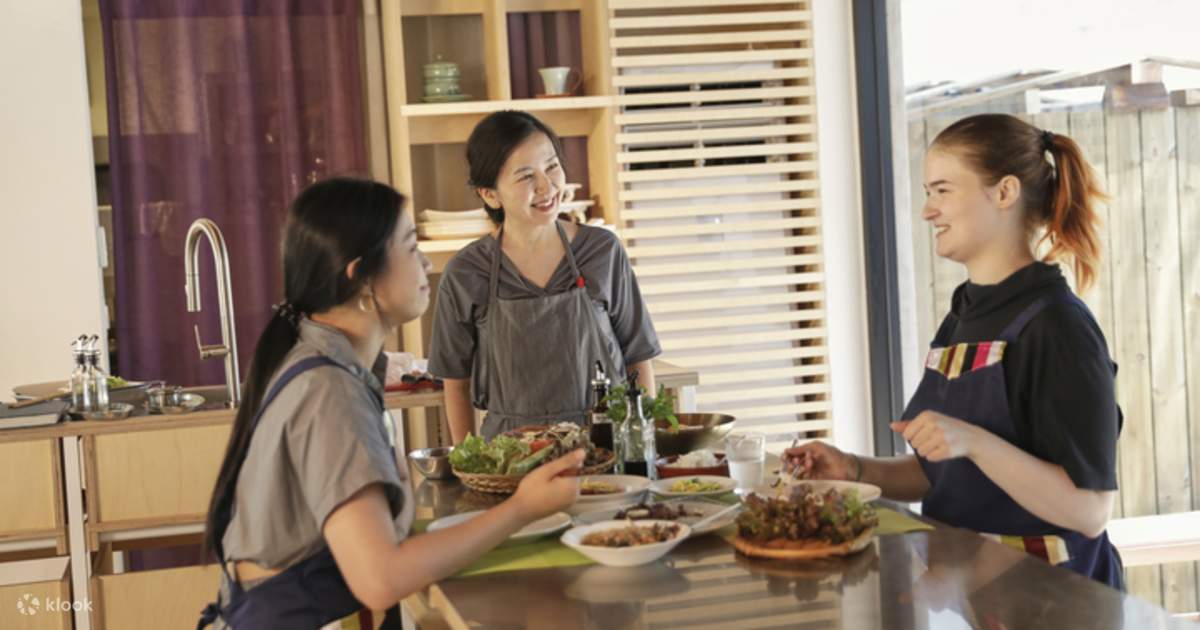 Book Korean cooking class in Seoul ↗
Check prices, dates, activity languages, inclusions and cancellation terms on Klook. Bookings and payments take place on Klook.
Questions before you go
Can I join without speaking Korean?
Choose a class with a suitable teaching language; the listing language alone is not enough.
Can the class replace lunch?
Plan around the confirmed meal inclusion, portion and finishing time.
Sources and photographs
An editorial story informed by official tourism and operator sources. Suggested routes and ways of looking are DAYGOVISIT recommendations, not a claim of a first-hand visit. Confirm current arrangements with the operator.
Editorial review: