In this story
An unfamiliar menu can be the beginning of a memorable day. For a first taste of Korean food, start with the kind of meal you want: a bowl of rice, meat cooked for sharing or a snack during a walk. These six dishes offer different ways into the table, without turning your trip into a checklist.
1. Bibimbap: different textures in one bowl
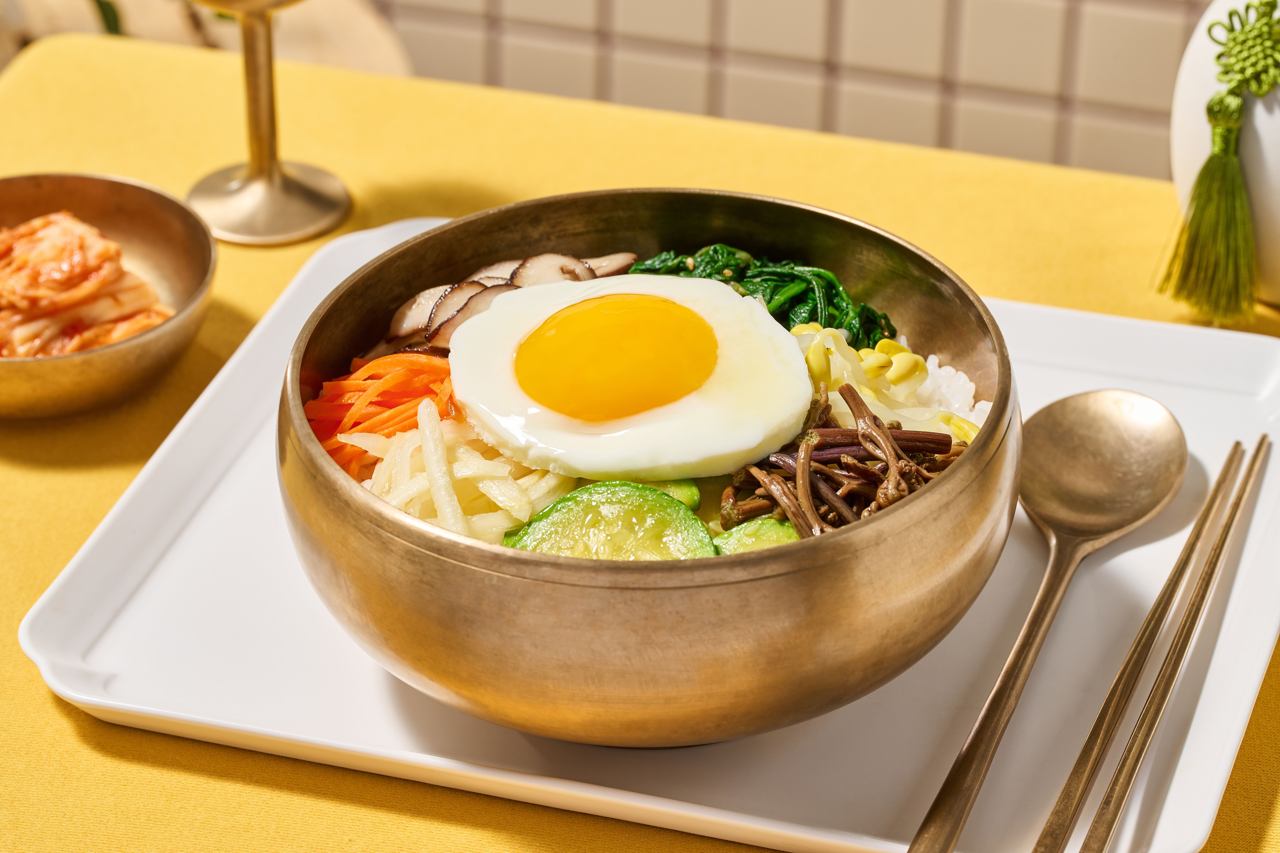
Bibimbap brings rice, vegetables and other toppings together in a bowl. Mixing changes the balance of textures from one spoonful to the next. Meat, egg, vegetables and seasoning vary by restaurant; use the menu description rather than assuming every bowl follows the same recipe.
Ask whether the sauce can be served separately so you can add it gradually. A bowl with plenty of vegetables is not automatically vegetarian: check the toppings, seasoning and any broth used in preparation.
2. Bulgogi: sweet and savory marinated meat
Bulgogi is marinated meat, commonly beef, cooked before or at the table depending on the dish. Rice provides a simple counterpoint to the sweet and savory seasoning. Confirm the meat, serving size and cooking arrangement before ordering, especially when sharing.
3. Samgyeopsal: a meal built around the grill
Samgyeopsal is pork belly commonly grilled as a shared meal. Side dishes and wrapping leaves differ between restaurants, and there is no need to assemble every bite the same way. Ask staff about cooking, minimum portions and separately charged extras before the meal begins.
4. Gimbap: a convenient roll for a day out
Gimbap rolls rice and fillings in seaweed. It fits a light meal or a picnic, but the fillings vary: vegetables, egg, ham and other ingredients may be included. Check the description and plan when you will eat a takeaway meal rather than carrying it around all day.
5. Tteokbokki: rice cakes and sauce
Tteokbokki pairs chewy rice cakes with sauce and is often found in snack restaurants and markets. Red sauce is a familiar version, but recipes and heat levels differ. Ask about spice before ordering and check accompanying ingredients such as fish cake or egg. Notice the texture of the rice cakes as well as the sauce.
6. Naengmyeon: a cold noodle meal
Naengmyeon is served cold. Distinguish between mul-naengmyeon with broth and bibim-naengmyeon mixed with seasoning before choosing. Noodles, broth and toppings vary. Taste the dish before adding optional vinegar or mustard, then adjust a little at a time.
Make the order part of the journey
Choose a meal that suits the day rather than trying all six dishes at once. Save the Korean name, check the listed price and portion size, and ask specific questions about ingredients. “Can this be less spicy?” or “Does this contain meat or seafood?” is more useful than assuming a familiar-looking dish will match your needs. This is a starting point for exploring food, not a guarantee of any restaurant’s current menu.
Less wondering what to order. More tasting Seoul.
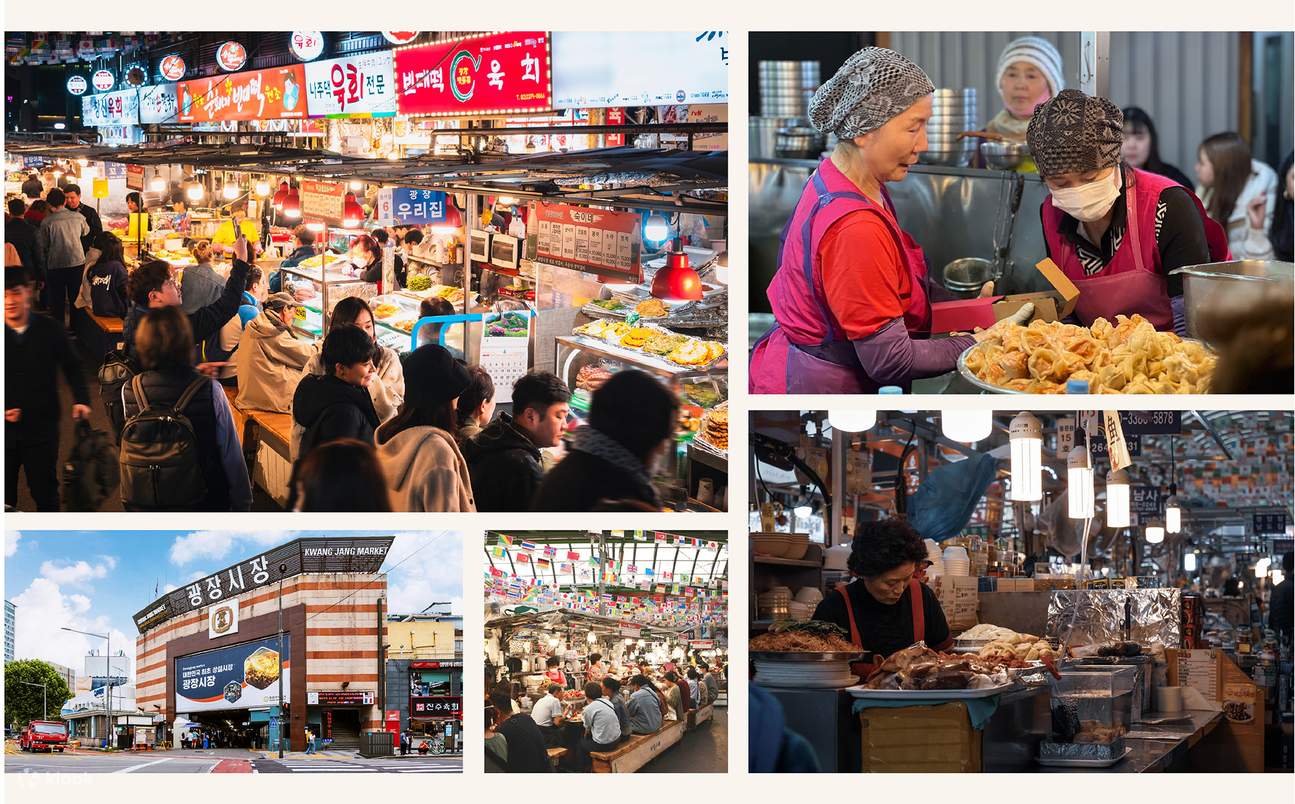
Discover Korean flavours one bite at a time in Gwangjang Market. Add a delicious chapter to your trip with a local guided food experience.
 Book Gwangjang Market food experience ↗
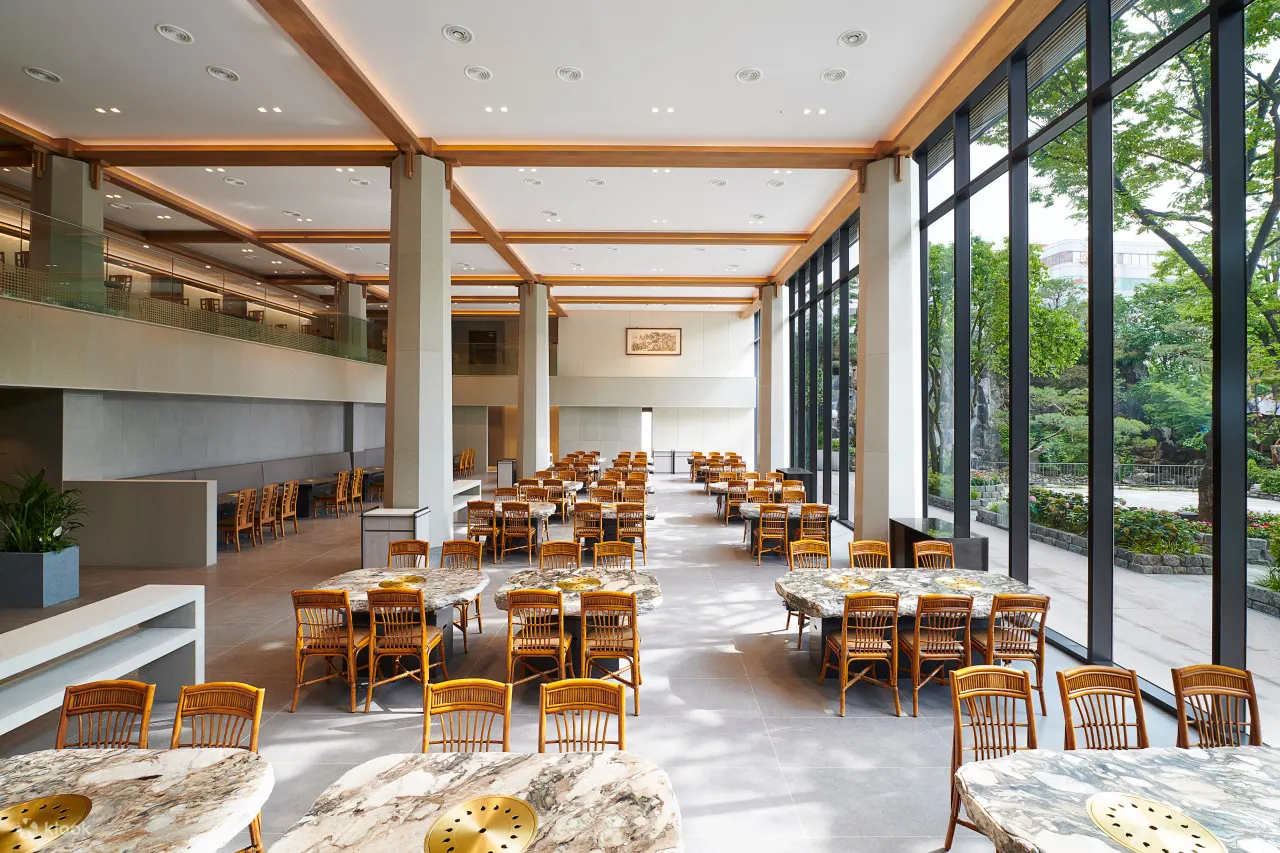 Book Premium Korean BBQ table in Seoul ↗
Booking fee only; meals are charged separately. Check the restaurant, branch, date and confirmation terms before booking.
Check prices, dates, activity languages, inclusions and cancellation terms on Klook. Bookings and payments take place on Klook.
Questions before you go
Is all Korean food spicy?
No. Recipes and seasoning differ, including between restaurants serving the same dish. Ask about the specific menu item and whether the heat can be adjusted.
Are bibimbap and gimbap vegetarian?
The name alone is not enough. Confirm the actual toppings, seasoning and any broth with the restaurant.
Sources and photographs
An editorial story informed by official tourism and operator sources. Suggested routes and ways of looking are DAYGOVISIT recommendations, not a claim of a first-hand visit. Confirm current arrangements with the operator.
Editorial review: